
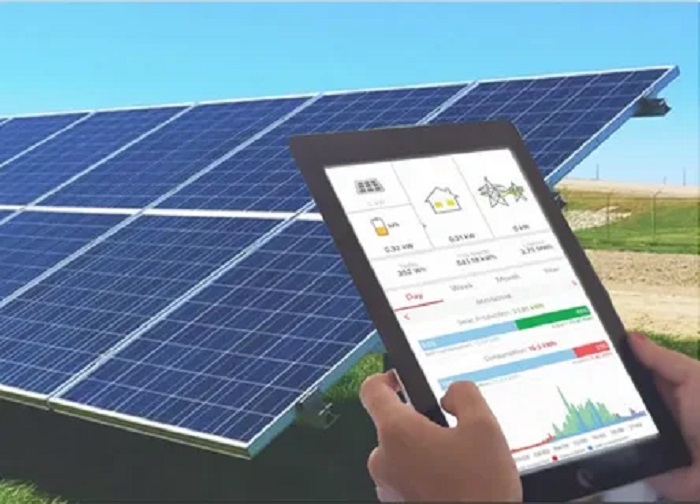
A battery hidden in a garage is useful. A battery that shows what it is doing is far more useful. Without monitoring, most owners only notice the system when something goes wrong.
Storage Needs Visibility
A smart energy storage system should show solar production, battery state of charge, home or building load, grid import, and grid export. For a homeowner, that helps explain why the battery charged or discharged. For a business, it can reveal peaks, waste, and backup readiness.
Energy monitoring turns storage from a black box into an operating tool.
The App Helps During Outages
During a blackout, the most important number is often remaining battery charge. A good app can help the owner decide whether to keep using normal loads or conserve power.
If solar is available, monitoring can show whether the battery is recharging during the day. That can change how a household behaves during a long outage.
The Department of Energy has noted that battery storage can support resilience when paired with generation sources. Monitoring helps owners use that resilience wisely.
Time-of-Use Savings Need Automation
Time-of-use rates charge different prices at different hours. A battery can store energy when power is cheaper or solar is abundant, then discharge when grid power is expensive.
That sounds simple, but doing it manually every day is unrealistic. Smart controls can automate the schedule and maintain backup reserve.
ESYsunhome’s APP and Cloud focus on energy flow monitoring, remote control, and intelligent energy management. For homeowners comparing backup and solar self-use, smart home energy storage should include both hardware and usable software.
Businesses Need More Than a Dashboard
Commercial storage monitoring has a different job. It may need to track demand peaks, battery dispatch, solar production, equipment status, and multiple sites.
A facility manager should be able to see whether the system is reducing peaks as planned. If a new machine or schedule change creates a different load pattern, the storage strategy may need adjustment.
Cloud monitoring can also support maintenance. Early warnings are better than discovering a problem during an outage.
EV Charging Adds Another Layer
As homes and workplaces add EV charging, monitoring becomes more important. EV charging can create large loads. A smart system can decide whether to charge from solar, the battery, or the grid based on cost and availability.
If bidirectional charging is involved, the app may also need to coordinate vehicle-to-home or vehicle-to-grid behavior.
What a Good App Should Show
A storage app does not need to be flashy. It should be clear. Useful features include:
- Battery percentage and backup reserve
- Solar generation
- Building consumption
- Grid import and export
- Charging and discharging history
- Alerts and fault status
- Remote settings where appropriate
The Quiet Value of Control
The battery stores energy, but the software determines how effectively that energy is used. A well-designed app can help lower bills, extend backup time, and make solar production easier to understand.
Smart monitoring is not a bonus feature. It is part of the storage product.